

The Importance of Starting to Design for Aging
According to the 2018 Ageing Report, reinforced by Público, only 4.2 million people will be of working age (2), indicating we are heading toward a new paradigm.
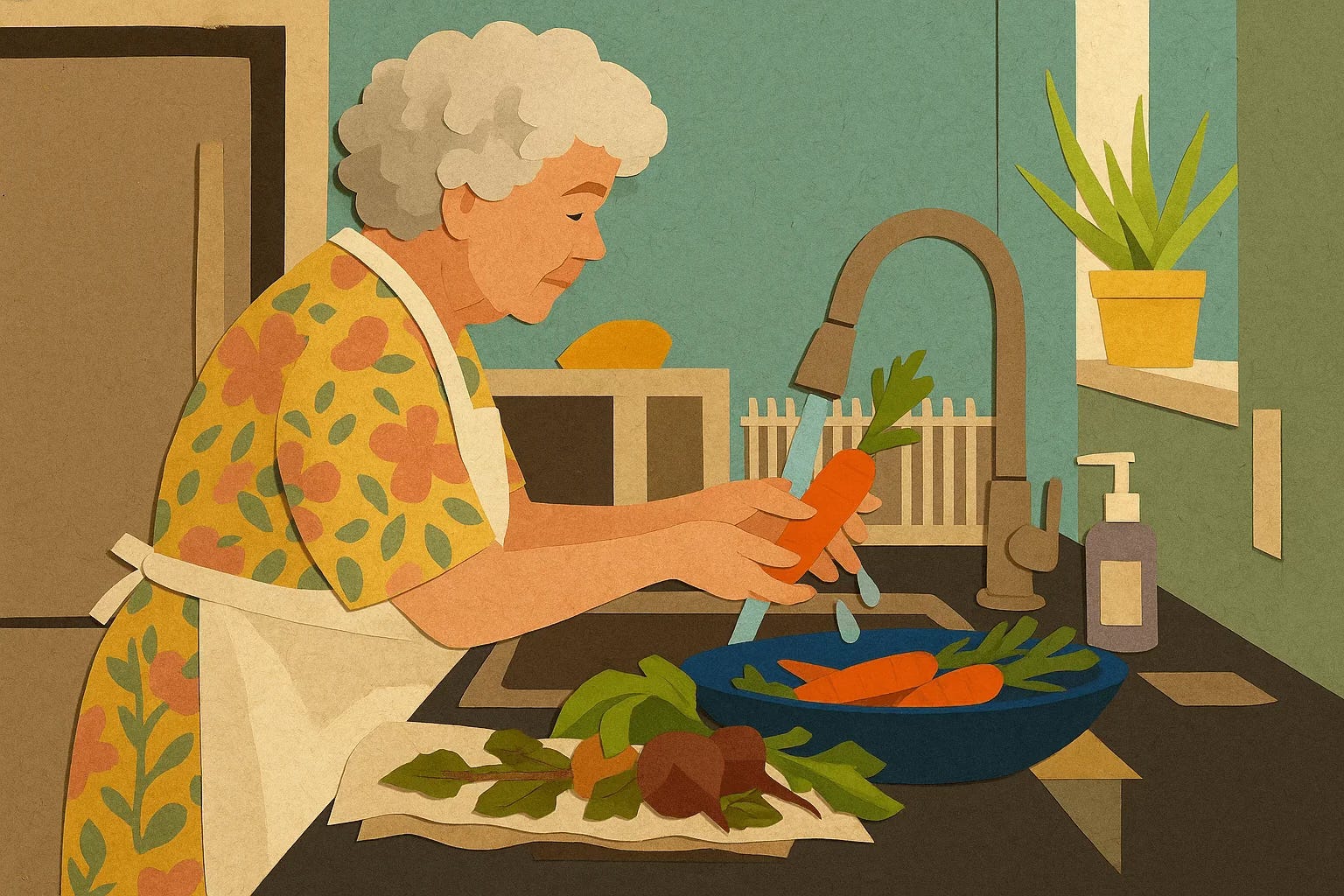
Some say that growing old is the best thing that can happen to us (1), yet there is a clear marginalization and segregation of the senior population in society.
Just like the negative connotation we associate from an early age with "old", "elderly", "senior citizen".
None of us wants to be old, much less called old. Ask my 82-year-old grandmother who insists she's not a senior citizen.
We associate being old with being bad — we are put aside, we have many health problems and we will end up in a nursing home. But does it have to be this way?
By 2070, Portugal will only have 4.2 million people of working age
According to the 2018 Ageing Report highlighted by Público, only 4.2 million people will be of working age (2), and so we are heading towards a new paradigm.
The stigma of existing solutions
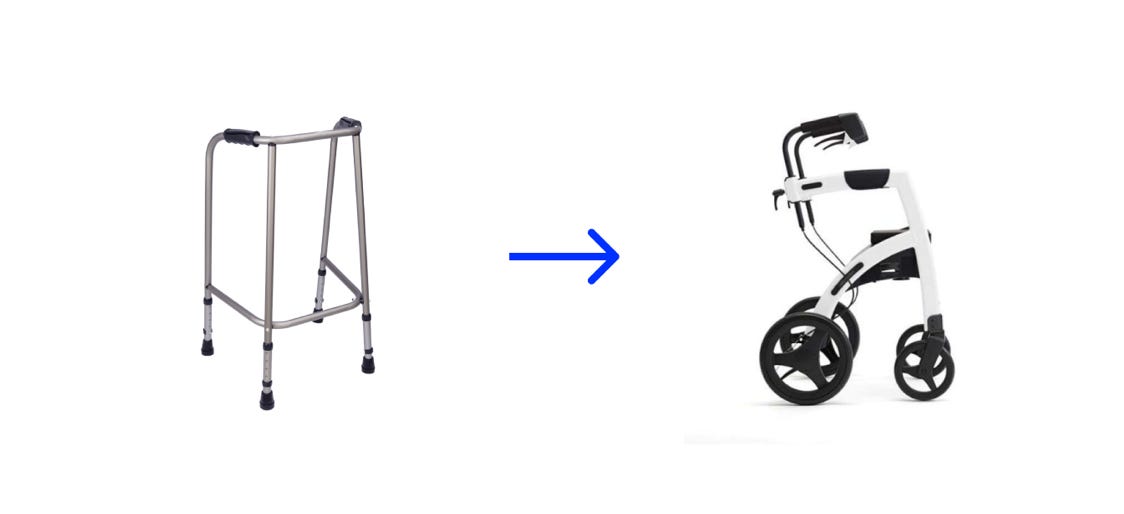
Aging is linked to the stigma created by society. Current solutions, whether mobility aids like walkers or of another nature, scream old age. They are typically products that nobody wants to use because they are associated with the stigma.
We need to innovate towards new solutions that add more value and that are desired not only by the senior population, but by everyone who has that need.
We could create a walker so incredible that even young people wouldn't feel stigmatized using it — like a portable chair they can take to hang out on the street with friends or to a concert where they'll be standing for hours.

Interface design
Best practices for designing interfaces for seniors are also part of human-centered design and therefore shouldn't be a novelty for many. However, it's always worth reinforcing:
Make use of "progressive disclosure". This age group is especially vulnerable to episodic and working memory lapses. We should present new options and features gradually.
One task per screen, high contrast and legible fonts.
Provide the clearest possible feedback on progress and interaction.
Promote reminders for habitual actions.
Use captions for all videos.
Do not use text on top of images.
Avoid using iconography alone.
Due to the common loss of attention at these ages, we also need to be as explicit as possible.
Beyond interfaces
Working in this area goes beyond interface design. It extends to architecture, policy, public transport, services, and new forms of access. There is a whole world to be explored and made accessible so that we can extend an active and long-lasting aging.
It's also important to emphasize that we want to create products that are inclusive and therefore don't scream old age, prejudice or stigma. Products that can be used by everyone to improve quality of life, because "the world is aging and there is nothing more modern than growing old" (3).
References
1 Kalache A. «Growing old is the best thing that can happen to you» | Alexandre Kalache explains ageism and prejudice [video] [Internet]. Youtube. 2020.
2 Público «By 2070, Portugal will only have 4.2 million people of working age»
3 Kalache A, Carbonari P. "The world is aging and there is nothing more modern than growing old", says gerontologist Alexandre Kalache. Future Health. 2021.
Thanks for reading UX Snack Newsletter! Subscribe for free to receive new posts and support my work.