

AI-native devices and hyper-personalization. Is this the end of operating systems and app stores as we know them?
Generative AI has opened new paths and opportunities — one of them is the ability to create our own apps.


Generative AI has brought countless opportunities. One of them is the freedom and control to create our own apps or tools. This is already possible today for the more curious, through vibe-code or no-code platforms. Among the most recent and well-known are Lovable, V0, Bolt, and Cursor. However, what Nothing is bringing goes beyond that.
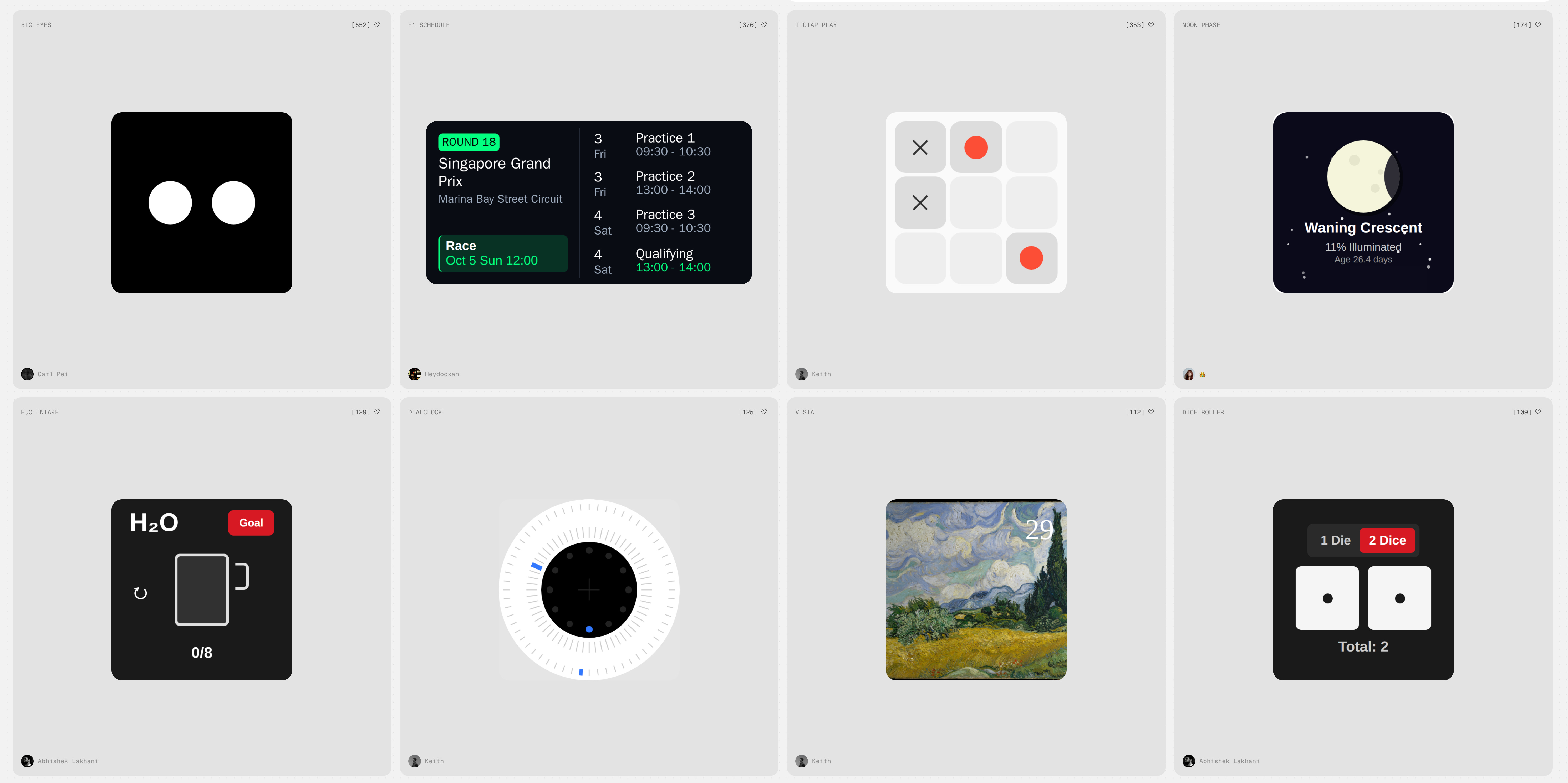
After Generative UI, we have AI-native devices
Nothing's provocation points to the hyper-personalization of operating systems — something that emerges as a next step beyond what we already know from these platforms. This vision contrasts with the current app store model, focused on ready-made solutions that serve the majority. The idea here is different: creating something 100% dedicated to each person's individual use case, in a conversational way.
Nothing's first step in that direction was launching the Essential Apps platform, which allows users to create tools and apps through conversation, but with a crucial difference — they are integrated directly into the operating system.
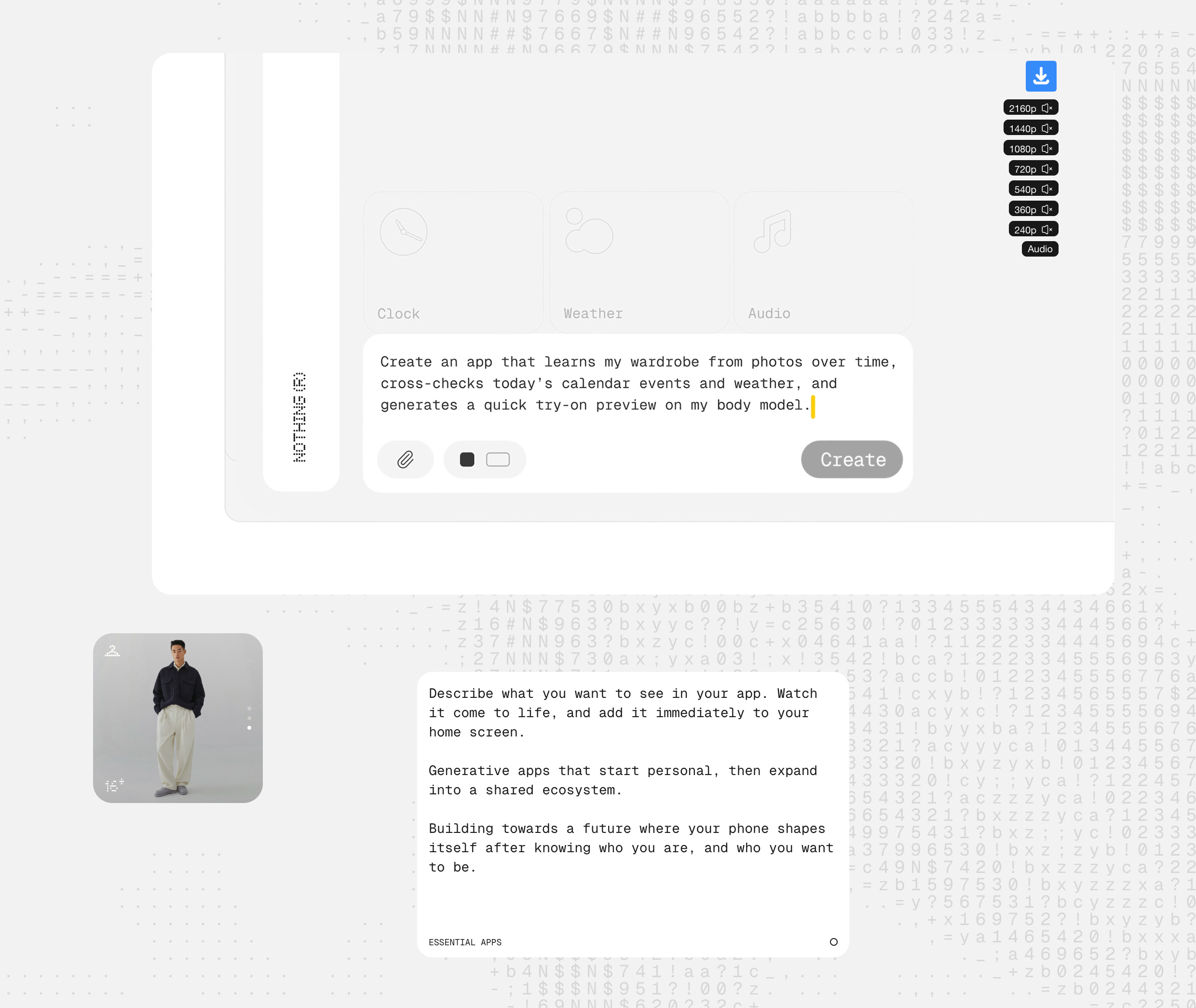
The future of hyper-personalization
Until now, hyper-personalization focused on using real-time data to adjust experiences or journeys. With UI generation, a new scenario opens up: apps and tools that create themselves, shaping to fit each user's context.
If we think about it carefully, the future of hyper-personalization may lie in a mix between adaptive interfaces — which respond to each user's context and goals — and the ability for users to create their own solutions within the operating system.
In other words, we won't just be proactive in offering hyper-personalization. We'll also give people the freedom to build what they feel is missing from their experience. Creating unique contexts and filling specific gaps in individual journeys.
The current challenges of the prompt → creation → iteration flow
But if this future is promising, today's reality still has several obstacles.
The last time I created an app using vibe coding tools, I always had to do some manual work to reach the final result I wanted. I felt that many back-and-forths were needed to properly instruct the model. Even so, it's undeniable that this process is faster than coding everything from scratch.
We live in a tech bubble. Not everyone shares the same level of digital literacy, and this creates barriers. Furthermore, there are still no clear mental models to help us structure prompts capable of faithfully translating our ideas.
Creativity doesn't always lend itself to being captured in words. Natural language is ambiguous and the same prompt can be interpreted in very different ways. That's why the first output almost never matches what we want. You need to iterate, adjust, and learn to phrase things better.
Another challenge is the lack of structured feedback. Many tools don't allow you to change just one already-generated detail. You have to go back to the prompt and redo all the logic, which breaks the flow of the creative process.
And there's still an invisible learning curve. Over time, we discover how to 'speak the machine's language', but that knowledge isn't documented. It's learned in practice, almost tribally, and this creates yet another entry barrier for those who aren't used to it.
How to overcome some of these challenges through prompting strategies
Normally the best strategy is to use Few-shot and Chain-of-thought in combination, but here is a general explanation of these strategies.
Zero-shot
Prompt: "Create an app to order pizza."
✅ The model immediately gives a basic flow: choose pizza, cart, payment.
❌ Important details may be missing (delivery tracking, ingredient customization, promotions).Chain-of-thought (CoT)
Prompt: "Explain step by step how you decide the essential features of a pizza app, thinking about the cozy Italian experience. Then list the final app flow."
✅ The model will reason: "The user starts hungry → should see popular pizzas on the home screen → can customize ingredients → needs quick checkout → wants to track delivery → can save preferences for next time."
✅ Features are better justified.
❌ Longer and less immediate.Few-shot
Prompt:Exemplo 1: App de sushi → funcionalidades: escolher prato, personalizar molho, agendar entrega.
Exemplo 2: App de padaria → funcionalidades: encomendar pão fresco, subscrição semanal, notificação de pronto a levantar.
Exemplo 3: App de hambúrgueres → funcionalidades: toppings, combos, programa de fidelidade.
Agora com base nestes exemplos cria uma app para encomendar pizza: inclui funcionalidades como escolha de massa fina ou grossa, extra queijo, combos familiares, vinhos italianos, programa de pontos e tracking em tempo real.
✅ O modelo percebe diferentes tipos de funcionalidades recorrentes e aplica ao negócio da pizzaria.
✅ Garante riqueza e diferenciação.
❌ Requer esforço de preparar exemplos.
Chain-of-thought (CoT)
Prompt: “Explica passo a passo como decides as funcionalidades essenciais de uma app de pizza, pensando na experiência cozy italiana. Depois lista o fluxo final da app.”✅ O modelo vai raciocinar: “O utilizador começa com fome → deve ver pizzas populares na home → pode personalizar ingredientes → precisa de checkout rápido → quer acompanhar a entrega → pode guardar preferências para a próxima vez.”
✅ Funcionalidades ficam melhor justificadas.
❌ Mais longo e menos imediato.
We are only at the beginning of a new era in which each person can shape their own digital experiences. Whether through interfaces that adapt to context or tools built by conversation, the goal is the same: technology that fits us, not the other way around.