

5 Types of Human-AI Interaction 🤖 The State of UX and the Latest in Tech
Thinking about all the possibilities of human-AI interaction helps us innovate and avoid falling back on the easiest solutions we think are "shiny" for users.

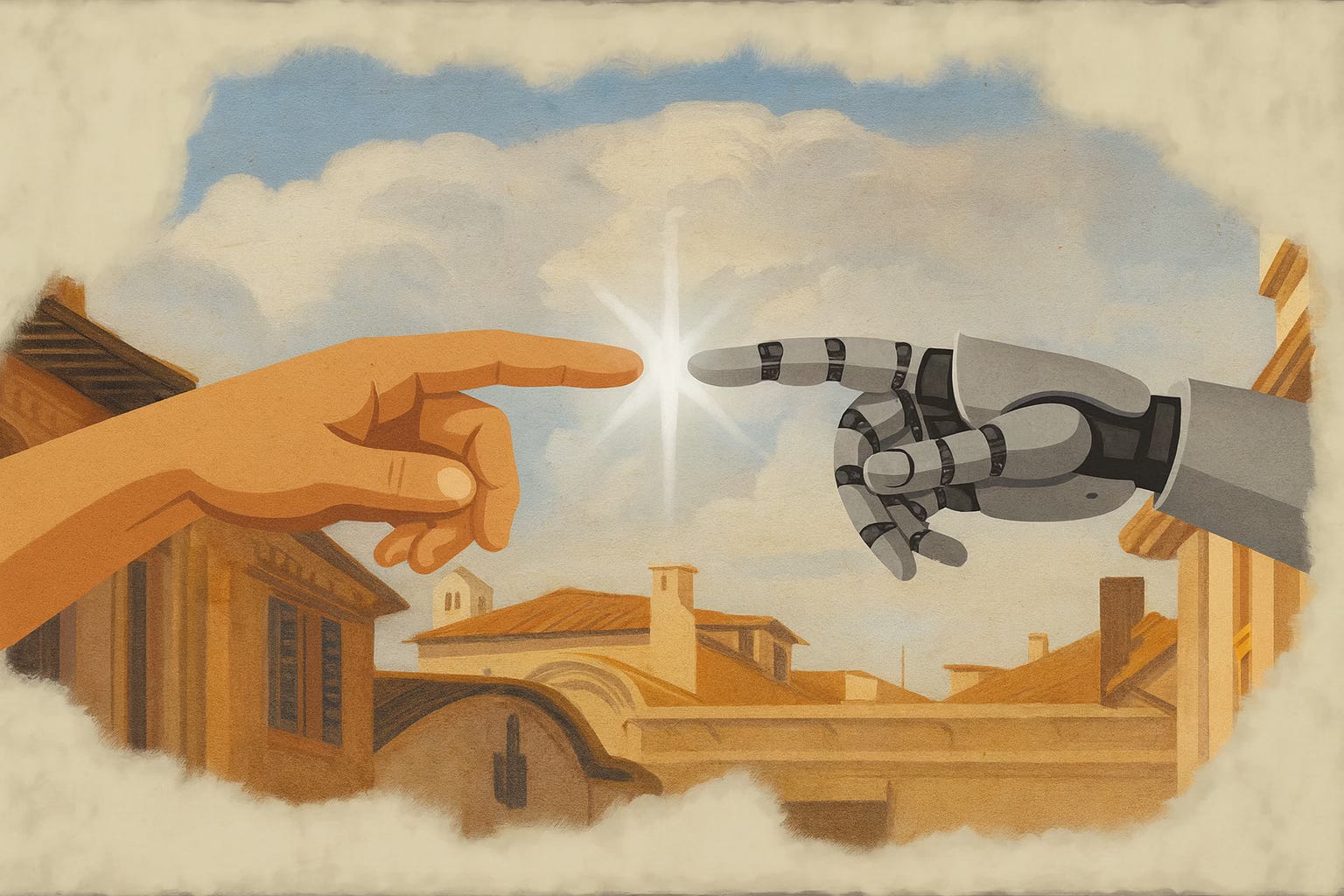
Today's Snack: 5 types of Human-AI interaction 🍪

Looking at the 5 types of Human-AI interaction (Figure 1), proposed by Silvana Hinsen, we can see that there are several ways we can interact with AI:
Guardian Angel
The guardian angel includes interactions that are entirely unconscious for people, up to and including their results — and sometimes beyond.Informant
While an informant also takes on basic activities like a pixie, the informant interaction is more focused on retrieving information.Best Friend
The best friend is an extraordinarily complex type of interaction due to its high interdependence. At the same time, the best friend only interacts within the scope of a predefined social action.Colega (Colleague)
Um colega está orientado para os objetivos e apresenta um resultado informativo, de assistência ou de consultoria em interações conscientes.
Melhor Amigo (Best Friend)
O melhor amigo é um tipo de interação extraordinariamente complexo devido à sua grande interdependência. Ao mesmo tempo, o melhor amigo só interage no âmbito de uma ação social pré-definida.
Thinking about all these interaction possibilities allows us to innovate and avoid falling into the easiest and most "shiny" solutions for users.
An AI system that helps people doesn't always have to be a chat, nor something that is always present. These solutions can also be omnipresent and autonomous.
The State of UX 2025 ✨

The State of UX 2025 has been released, where we can see UX trends for the coming year.
Tech news 🤓
Americans will be able to start interacting with ChatGPT by voice call by dialing a phone number.
GitHub has launched its AI companion.
Flipboard is trying to create a new social network through its recent project Surf.
The "Fertilo" method is the new alternative to traditional in vitro fertilization (IVF), which increases efficacy and reduces the need for hormone injections by 80%.