

10 Ethical Challenges in Design for Artificial Intelligence (AI)
Artificial intelligence (AI) is increasingly present in our lives, influencing everything from the way we communicate to the decisions we make.
It's been a while since we talked about ethics in artificial intelligence. The complex nature and rapid evolution of these technologies raise several challenges that must be taken into account, creating the need to continue discussing and considering this topic, which is often undervalued.
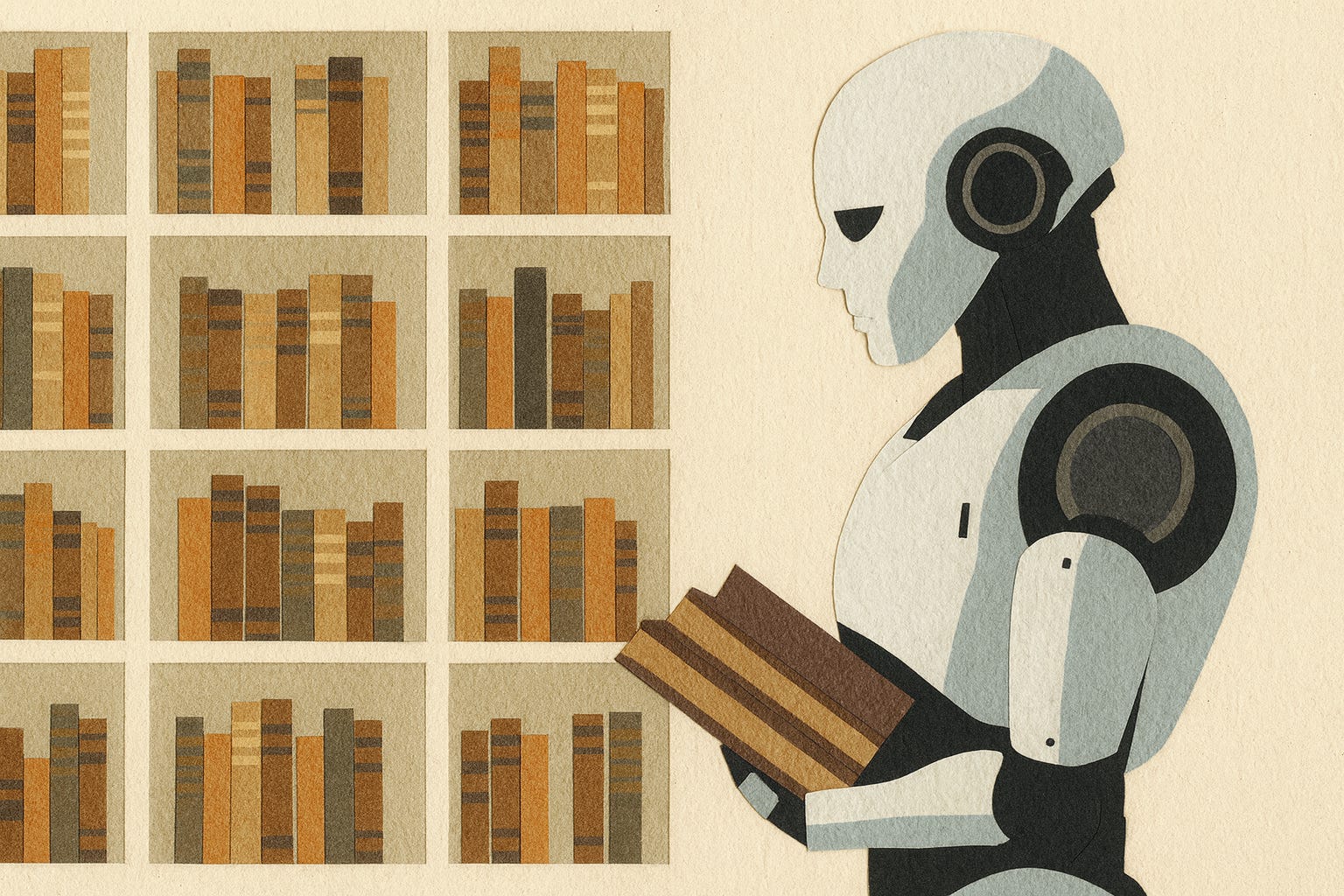
10 ethical challenges of AI
1. Transparency
AI systems must be transparent and their decisions understandable to users. This involves clearly explaining and making visible how AI systems make decisions. The challenge is to balance the complexity of AI algorithms with the need for them to be interpretable by humans, regardless of their digital literacy.
2. Equality and biases
AI systems can perpetuate existing biases or introduce new ones if they are trained incorrectly or with biased data. Ensuring fairness involves careful curation of training data and continuous monitoring to detect and mitigate any biases present.
3. Privacy and data protection
AI systems often rely on large datasets, which may include sensitive personal information. Protecting this data and ensuring it is used ethically is a major challenge. Therefore, we as designers must understand how to implement data protection measures and ensure respect for user privacy.
4. Accountability
As AI systems become more autonomous, it becomes more difficult to identify accountability behind any action. This also raises legal and moral challenges when AI systems have a negative impact or make wrong decisions.
5. Human oversight and control
Maintaining human control over AI systems is essential to avoid unintended consequences. This involves creating ways to monitor and control these systems, ensuring continuous improvement and that there is room for human decision-making rather than replacing it.
6. Safety
These systems must be safe and reliable, particularly when applied in sensitive contexts and critical areas such as healthcare. This requires rigorous testing and validation to ensure everything works as expected.
7. Social Impact
The impacts on various social areas, such as employment, must be considered. Those who design for AI need to assess potential social pros and cons, with the goal of improving societal well-being while minimizing negative impacts.
8. Ethical decision-making
Unlike traditional software, AI can involve decision-making with moral implications. It is therefore important to align with human ethical standards, which is a complex and ever-evolving challenge.
9. Upholding human values
AI must be designed and used to strengthen, not weaken, human values such as dignity, respect, and autonomy, involving the social sciences, engineers, policymakers, and other stakeholders to ensure these technologies are developed and implemented responsibly and ethically.
10. Global and cultural considerations
AI-powered systems are being used all over the world, and their design must take into account cultural differences and global contexts to ensure they are fair, inclusive, and respectful of local norms and values.
These challenges highlight the need for multidisciplinary work when designing AI systems. Bringing together perspectives from design, technology, ethics, law, and social sciences is the only way to ensure AI is developed in a way that is truly beneficial to society.
Any doubts? Leave them in the comments.